Cash in Japan: How Much Yen to Bring and Where to Get It
Japan still runs on cash. How much yen to carry per day, which ATMs take foreign cards, IC cards, tipping, and a yen budget at today's rate.
 Live FX Editorial Team · · 5 min read
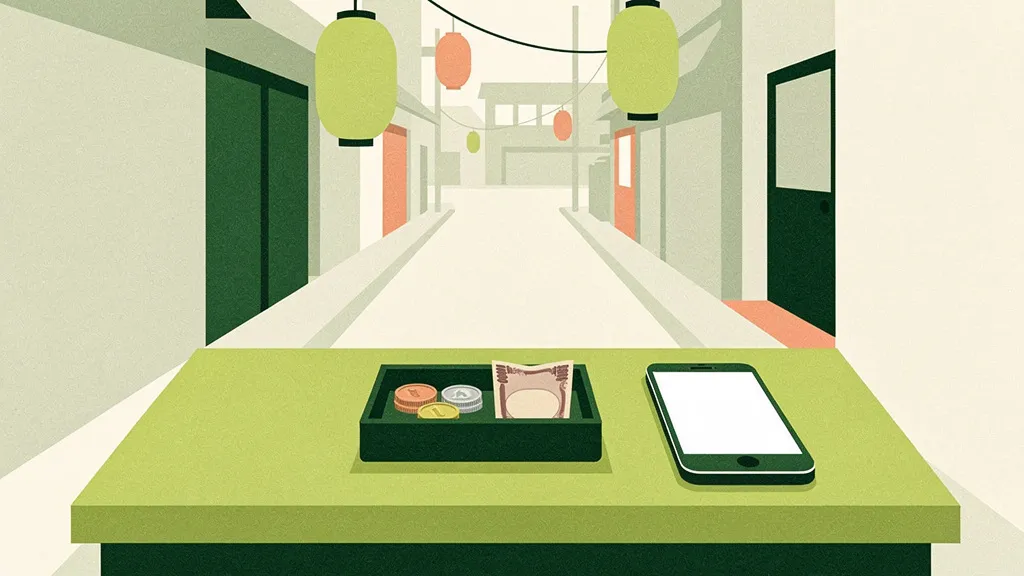
Carry about ¥10,000–¥20,000 (roughly $63–$125 at November 2026 rates) per person per day in cash, and top it up from 7-Eleven (Seven Bank) or Japan Post Bank ATMs, which accept most foreign cards. Cards and IC transit cards work in cities, but small restaurants, temples, rural shops and coin lockers often take cash only, and you don't tip in Japan.
On this page
Japan is famously high-tech, so many first-time visitors are surprised by how often they still need cash. The national tourism organization still advises visitors that Japan “is very much a cash-based society, so keep cash on you.” Card and phone payments have grown fast, but a small ramen shop, a temple’s entrance gate, a coin locker at the station or a family-run inn in the countryside may still be cash-only.
Yen amounts in this guide are converted at Live FX’s mid-market rate as of November 12, 2026: $1 = ¥159.86 (€1 = ¥177.08, £1 = ¥211.93). Check today’s rate on the USD to JPY converter.
How much cash to carry per day
There is no official figure, so here is a practical rule of thumb based on typical prices for cash-heavy spending:
| Travel style | Cash per person per day | In USD (Nov 12, 2026) |
|---|---|---|
| City sightseeing, mostly card | ¥5,000–¥10,000 | about $31–$63 |
| Mixed: temples, markets, small restaurants | ¥10,000–¥20,000 | about $63–$125 |
| Countryside, ryokan, festivals | ¥20,000–¥30,000+ | about $125–$188+ |
What typically needs cash:
- Small restaurants and izakaya: many still have ticket machines or cash-only counters
- Temples and shrines: entrance fees and offerings (often a few hundred to about ¥1,000)
- Coin lockers, vending machines and some buses
- Market stalls, street food and festival stands
- Topping up IC transit cards at machines, and some taxis outside big cities
Hotels, department stores, convenience stores, chain restaurants, big electronics stores and train ticket offices generally take cards.
Tip: Keep a coin purse. Japan uses ¥1, ¥5, ¥10, ¥50, ¥100 and ¥500 coins, and you will collect a lot of them. ¥100 and ¥500 coins are handy for lockers and vending machines.
Where to get yen: ATMs that accept foreign cards
The cheapest way to get yen is usually to withdraw it in Japan with a debit card that has low or no foreign transaction fees.
- Seven Bank ATMs in 7-Eleven convenience stores: the easiest option, with menus in 12 languages. They accept Visa, Mastercard, American Express, JCB, UnionPay, Discover and Diners cards; Visa and Mastercard work 24 hours a day. Each withdrawal is capped at ¥100,000.
- Japan Post Bank ATMs in post offices, with English menus. They accept Visa, Mastercard, JCB, UnionPay and Discover cards; each withdrawal is capped at ¥50,000, and some cards pay a ¥220 fee per use.
- Airport ATMs: both networks have machines at the main international airports, so you can withdraw on arrival.
Many ordinary Japanese bank ATMs do not accept foreign cards, so don’t panic if one declines you. Find a 7-Eleven.
At the ATM:
- Choose English.
- Withdraw larger amounts less often if the ATM or your bank charges a flat fee per withdrawal.
- If the screen offers to convert the withdrawal into your home currency, decline. That is dynamic currency conversion, and the rate is usually poor.
Japanese ATMs dispense ¥1,000, ¥5,000 and ¥10,000 notes. New banknote designs were introduced in July 2024; the older designs remain legal tender, so you may receive either.
Cards, phones and IC cards
Japan’s cashless share has been rising steadily. The Ministry of Economy, Trade and Industry measured it at 42.8% of consumer spending in 2024 (up from 39.3% in 2023), mostly by credit card. METI has since switched to a new domestic measure that puts 2025 at 58%. Either way, a large share of payments is still made in cash.
- Credit and debit cards: Visa and Mastercard are widely accepted in cities; JCB is Japan’s own network and works almost everywhere cards do; American Express acceptance is narrower.
- IC transit cards (Suica, PASMO, ICOCA): tap-to-pay cards for trains, buses, convenience stores, vending machines and many shops. On iPhone you can add a Suica or PASMO card to Apple Wallet. You can top up physical cards with cash at station machines; topping up digital cards with some foreign-issued cards can fail, so check before you rely on it.
- Contactless bank cards work on some train and subway lines and in many shops; look for the contactless symbol.
Exchanging money before you go
You don’t need yen before you land: ATMs at Narita, Haneda and Kansai airports accept foreign cards. Exchanging at a bank at home or an airport counter usually costs more than withdrawing in Japan, because the exchange rate includes a spread. See how to compare exchange rates and our guide to the best way to exchange currency.
If you’d feel better arriving with some cash, exchange a small amount, enough for the train from the airport and a first meal, around ¥10,000.
Tipping in Japan: don’t
Tipping is not part of Japanese culture. As JNTO puts it, it’s not common to tip in bars, cafés, restaurants, taxis or hotels; service is included in the price, and leaving money on the table can cause staff to run after you to return it. If you do want to thank someone specially (a private guide, say), the custom is to hand it over in an envelope, not as loose cash. A polite arigatō gozaimashita is the right tip.
You may see a service charge (around 10%) added in some hotels and upscale restaurants, and some izakaya charge a small table charge (otōshi) for an appetizer you didn’t order. Both are normal and are not tips.
Budget example: three days in Kyoto
| Item | Typical cash cost | In USD |
|---|---|---|
| Temple and shrine entries (6 sites) | ¥3,000–¥5,000 | $19–$31 |
| Lunch at small local restaurants (3) | ¥3,000–¥4,500 | $19–$28 |
| Street food, snacks, drinks | ¥3,000 | $19 |
| Bus fares and locker | ¥2,000 | $13 |
| Souvenirs at small shops | ¥5,000 | $31 |
| Total cash for 3 days | ¥16,000–¥19,500 | about $100–$122 |
Hotels, dinners at larger restaurants and the Shinkansen go on a card. USD amounts use $1 = ¥159.86.
Keep track of yen while you travel
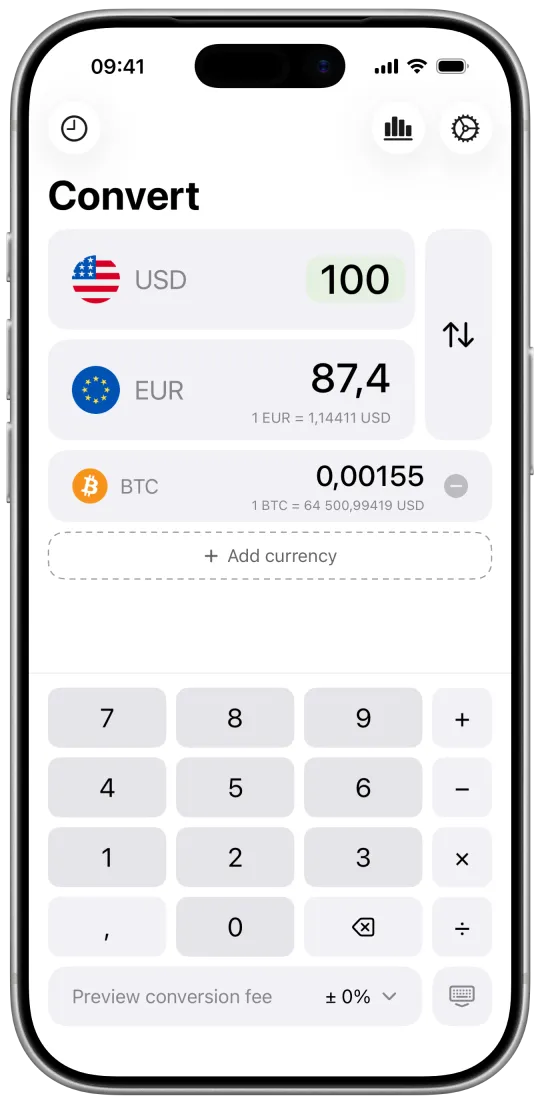
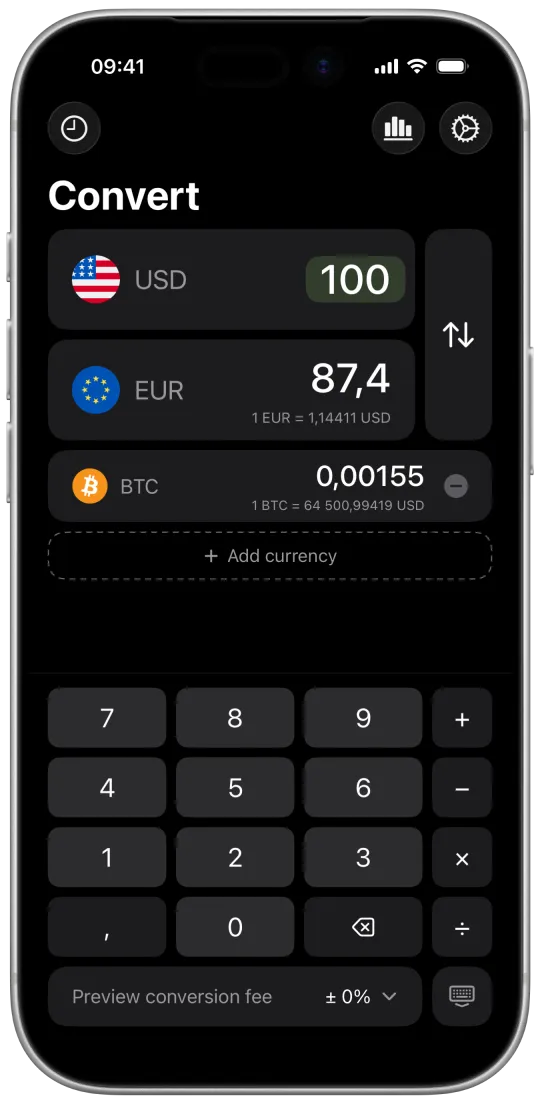
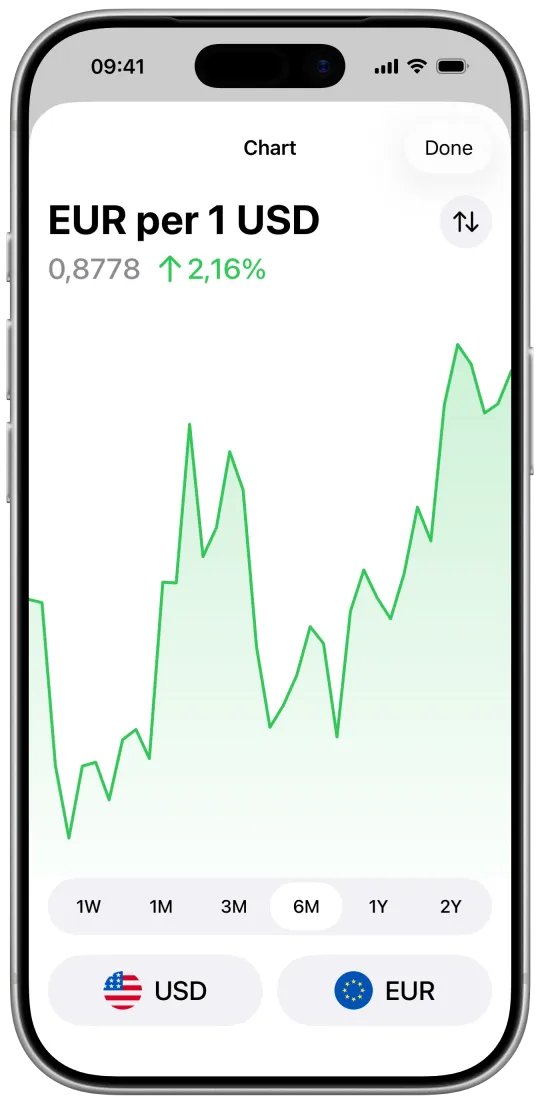
The yen has moved a lot in recent years (in Live FX’s 2026 data it ranged from about ¥153 to ¥164 per dollar), so a mental conversion that worked last trip may be off. The Live FX iPhone app converts yen to your currency instantly, works offline when you have no data, and has a built-in calculator for splitting bills (type 4,800 ÷ 3). You can also check EUR to JPY, GBP to JPY or AUD to JPY on the web.
Frequently asked questions
How much cash should I bring to Japan?
Plan on roughly ¥10,000–¥20,000 per person per day for things that are cash-only, and use a card for hotels, department stores, chain restaurants and train tickets. You don't need to bring yen from home: withdrawing on arrival at a 7-Eleven or Japan Post Bank ATM is usually cheaper than exchanging before you go.
Do I need cash in Japan?
Yes, some. Cashless payments now cover a large share of spending, but many small restaurants, market stalls, shrines and temples, rural guesthouses, coin lockers and some taxis still accept only cash.
Which ATMs in Japan accept foreign cards?
Seven Bank ATMs (in 7-Eleven stores) and Japan Post Bank ATMs (in post offices) accept most foreign Visa, Mastercard, Amex, JCB and UnionPay cards, with English menus. Many other bank ATMs do not accept foreign cards. The ATM operator may charge a withdrawal fee, and your own bank may add its fees.
Do you tip in Japan?
No. Tipping is not customary in Japan, and leaving money on the table can cause confusion. Good service is included in the price; a sincere thank-you is enough.
Should I exchange money before going to Japan?
You don't need to. Exchange rates for yen at home banks and airport counters are usually worse than withdrawing yen from an ATM in Japan with a card that has low or no foreign fees. If you want peace of mind, exchange a small amount for the first day.
Sources
- METI: Cashless payment ratio for 2024 (press release, March 31, 2025)
- Seven Bank: Cards accepted at Seven Bank ATMs
- Japan Post Bank: International ATM service
- Japan National Tourism Organization: Currency
- Japan National Tourism Organization: Tipping in Japan
Rates quoted in this guide are mid-market reference rates from Live FX’s data (the open currency-api dataset for fiat and metals, CoinGecko for crypto) and are for information only. Fees change, so check your own bank’s current terms before you travel.
Rates in your pocket, even offline
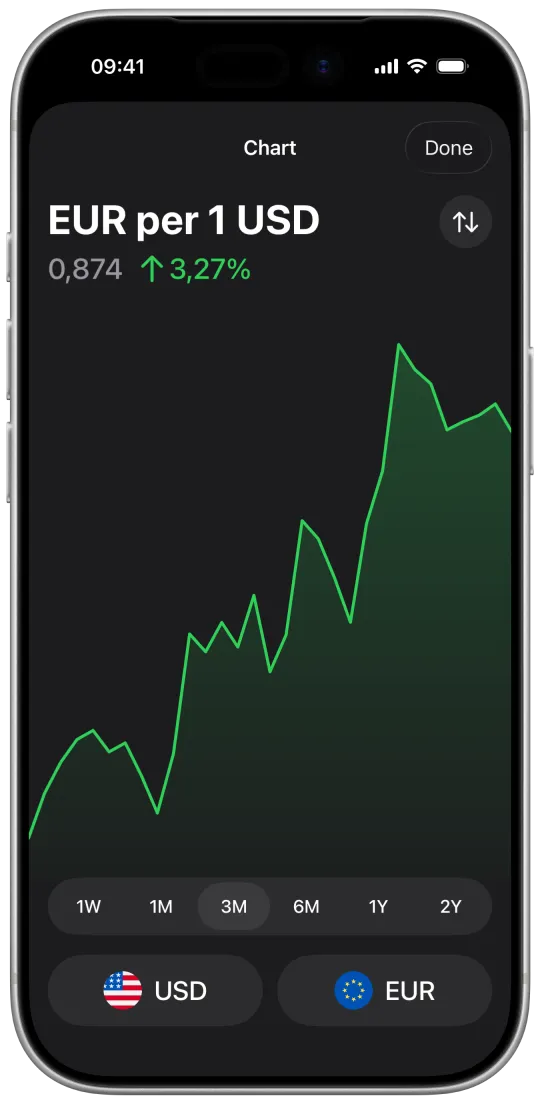
Live FX for iPhone converts 340+ currencies, crypto and gold in one tap, with charts, home-screen widgets and custom rates. Works without a connection using the last rates.